24/7 Emergency Dispatch
Targeted Siding Repair in Franklin, OH That Fixes the Problem, Not Your Budget
We check behind every removed panel for moisture before patching, so a quick fix doesn't hide a bigger problem underneath.
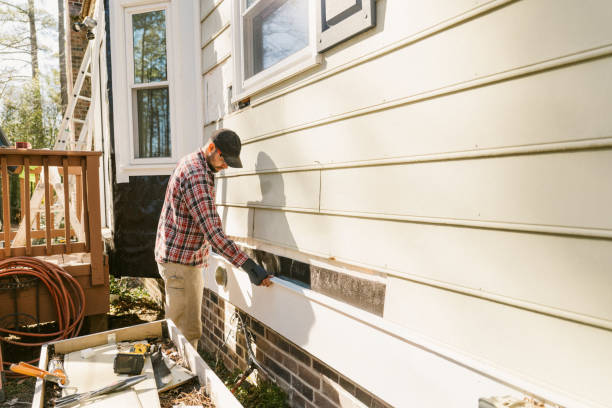
We check behind every removed panel for moisture before patching, so a quick fix doesn't hide a bigger problem underneath.
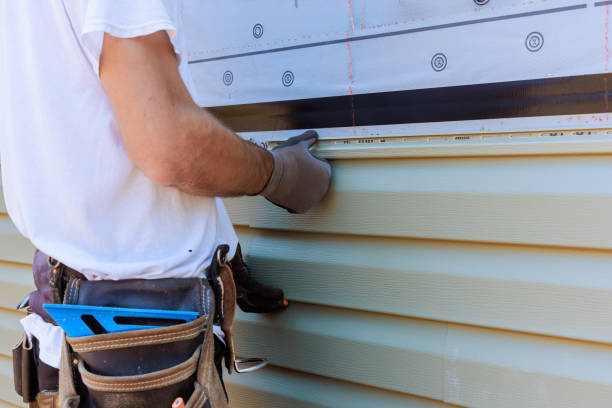
We keep common lap profiles and colors on hand so most repairs don't wait on special-order material.
When an exact match isn't possible, we'll show you the closest options honestly before starting.
Every repair technician works under active license and insurance, the same standard as a full installation crew.
Small jobs get the same documentation and warranty paperwork as larger projects.
Single-panel and small-section repairs are typically scheduled within days, not weeks.
We prioritize repairs with exposed sheathing or active water intrusion ahead of routine cosmetic fixes.
Small repairs get priced as small repairs — we don't pad a single-panel fix into a bigger sales pitch.
Your quote lists exactly which panels, trim, or fasteners are being replaced.
Most repair calls fall into a handful of categories — here's how we typically fix each one.
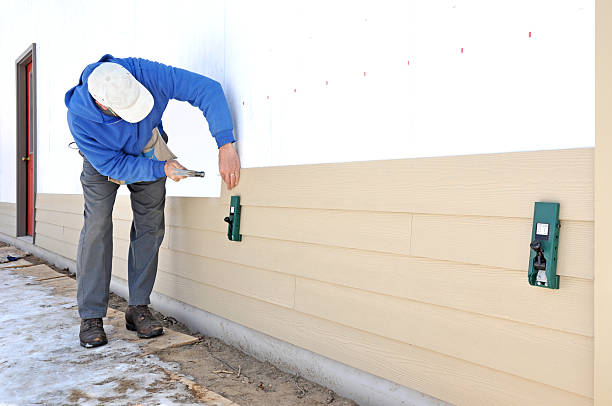
We check the panel above and below for hidden cracking before calling the repair finished. We keep a small inventory of common lap widths on hand specifically to avoid special-order delays on simple fixes.
Small cracks and holes from debris or impact get patched or panel-replaced depending on size and location. We check the opposite side of the wall for interior signs of the same damage.
We check for a bent or missing starter strip, a common hidden cause of a loose panel run. We check nearby corner posts too, since a loose run often starts at a failed end point.
For older, faded siding, we'll be upfront if a perfect match isn't realistic and show you alternatives. We test a small sample panel against your existing siding in direct sunlight before ordering the full repair batch.
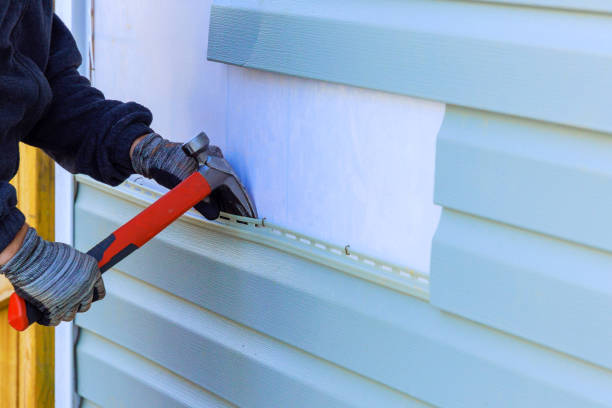
These small trim pieces cause outsized water damage when ignored, even if the field panels look fine. Replacement J-channel gets set with the same reveal gap as the original to keep water shedding correctly.
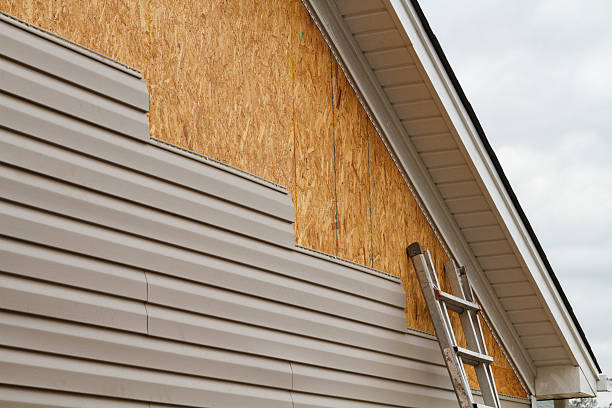
Every repair includes a quick check behind the removed panel for moisture or soft sheathing. A simple moisture meter reading takes seconds and tells us whether the sheathing behind a panel needs attention too.
We'll ask about size, location, and how long the damage has been there.
If material needs to be special-ordered, we'll tell you upfront during the visit.
You get a clear price for the specific repair before any panel comes off, not a vague range.
The repair gets completed, checked for a clean seal, and the area is cleaned up before we leave.
Technician checked behind the panel and found a little moisture, fixed that too before closing it back up.
Quoted a small repair and it stayed small — no upsell pitch for a full re-side we didn't need.
They had our exact discontinued color in stock somehow, which saved us from a mismatched patch.
Repair tech pointed out a second small crack we hadn't noticed and fixed both in the same visit.
A quick call gets you an honest price, not a sales pitch for more than you need.
Call +1-844-782-0929Crews are dispatched locally, so response times stay fast for repair-scale jobs.