24/7 Emergency Dispatch
Targeted Siding Repair in Lanexa, VA That Fixes the Problem, Not Your Budget
We check behind every removed panel for moisture before patching, so a quick fix doesn't hide a bigger problem underneath.
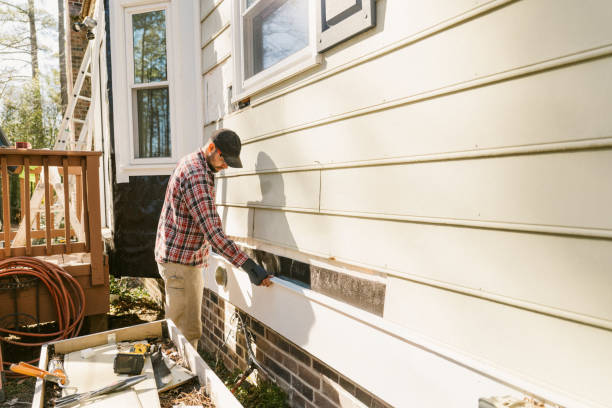
We check behind every removed panel for moisture before patching, so a quick fix doesn't hide a bigger problem underneath.
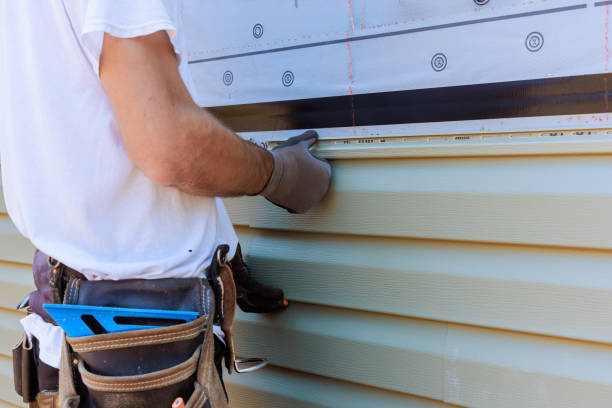
We keep common lap profiles and colors on hand so most repairs don't wait on special-order material.
When an exact match isn't possible, we'll show you the closest options honestly before starting.
Every repair technician works under active license and insurance, the same standard as a full installation crew.
Small jobs get the same documentation and warranty paperwork as larger projects.
Single-panel and small-section repairs are typically scheduled within days, not weeks.
We prioritize repairs with exposed sheathing or active water intrusion ahead of routine cosmetic fixes.
Small repairs get priced as small repairs — we don't pad a single-panel fix into a bigger sales pitch.
Your quote lists exactly which panels, trim, or fasteners are being replaced.
Most repair calls fall into a handful of categories — here's how we typically fix each one.
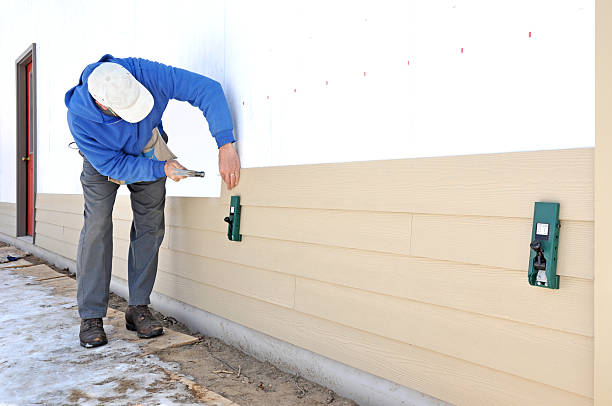
One damaged panel comes out and a matching replacement goes in, with attention to nailing pattern and expansion gap. Fastener spacing on the replacement panel follows the same pattern as the surrounding original panels.
Small cracks and holes from debris or impact get patched or panel-replaced depending on size and location. Small holes from pests or debris get sealed with a material-appropriate filler before any panel patch goes over them.
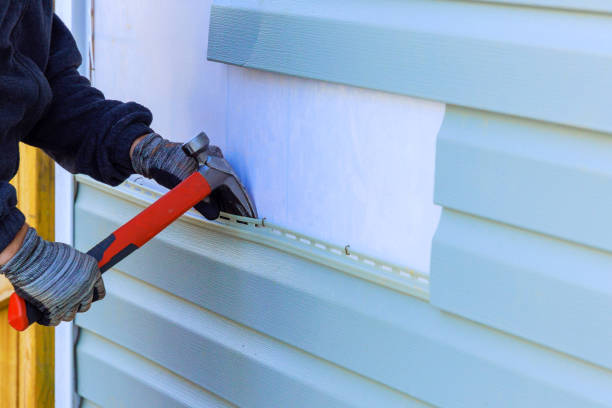
Panels that rattle or have pulled away from the wall usually just need re-nailing at correct spacing, not full replacement. Over-driven or under-driven original fasteners are replaced, not just supplemented, since a bad original nail rarely holds twice.
Repairs get matched to existing panel color and profile whenever the product line is still available. We test a small sample panel against your existing siding in direct sunlight before ordering the full repair batch.
These small trim pieces cause outsized water damage when ignored, even if the field panels look fine. Replacement J-channel gets set with the same reveal gap as the original to keep water shedding correctly.
Catching hidden rot early during a small repair is far cheaper than discovering it during a future full re-side. If moisture is found, we'll quote that fix separately before proceeding with the cosmetic repair.
We'll ask about size, location, and how long the damage has been there.
A technician arrives with common profiles and colors on the truck for same-visit repairs when possible.
We'll flag if what looked like a small repair actually needs a broader fix, before proceeding.
The repair gets completed, checked for a clean seal, and the area is cleaned up before we leave.
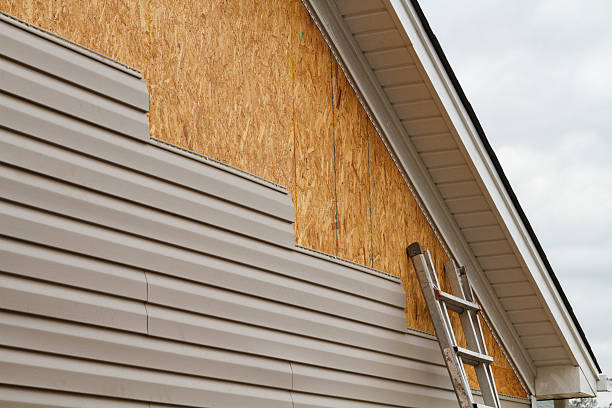
Technician checked behind the panel and found a little moisture, fixed that too before closing it back up.
Corner post near our porch was cracked for a year and it took twenty minutes to fix once they got here.
Same-day repair on a storm-loosened panel before the next round of rain hit — exactly when we needed it.
Loose siding that had been rattling in the wind for months got re-nailed properly in under an hour.
A quick call gets you an honest price, not a sales pitch for more than you need.
Call +1-844-782-0929Crews are dispatched locally, so response times stay fast for repair-scale jobs.