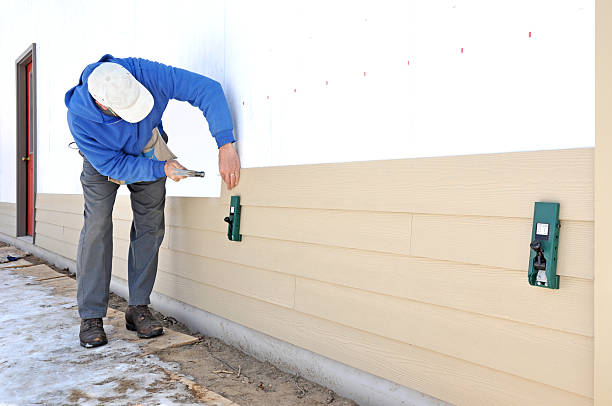
Emergency, residential, and commercial work all get the same fastening discipline and written pricing.

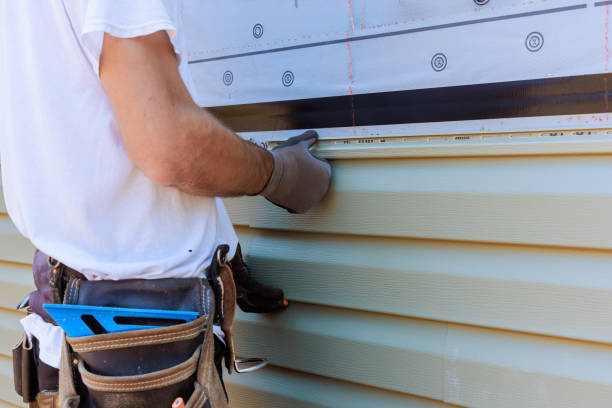
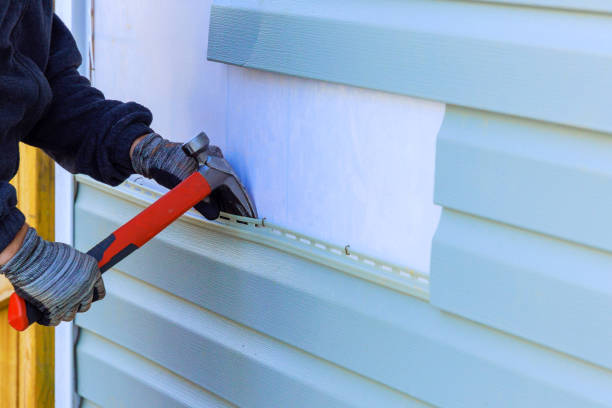
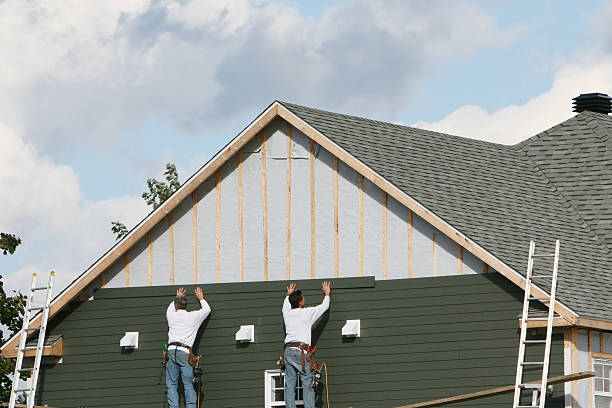
Every technician working under the Superior Siding Solutions name in Washington, DC is trained on modern siding systems and held to the same install standard whether the job is a single wall patch or a full re-side.
Manufacturer certifications matter to us because they matter to your warranty. We install to the letter of the installation guide, not "close enough."
We keep crew counts manageable on purpose — a rushed install shows up as gaps or buckling within a year, and we'd rather not see you again for the wrong reasons.
Ask any of our Washington, DC crews what matters most on a job and you'll hear the same three things: proper flashing, correct fastener spacing, and a level starter course.

Siding trouble rarely announces itself all at once. Here's what our Washington, DC dispatch team hears about most, and what each one usually means.
Rippling panels usually mean heat damage, bad nailing, or trapped moisture pushing the panel outward.
Left alone, a warped panel tends to spread to the panels beside it within a season or two.
A repair here is usually quick if it's caught before neighboring panels are affected too.
Even a hairline crack near a seam can rot the sheathing behind it within a season or two.
Debris impact and lawn equipment are common causes we see across Washington, DC, especially near ground-level panels.
Small cracks are usually a quick, inexpensive repair if caught early.
Gapped or missing siding lets conditioned air escape, forcing your HVAC system to work harder than it should.
Older Washington, DC homes built before modern insulation codes see the biggest difference after an upgrade.
Foam-backed panels also reduce that hollow drum sound standard siding can have in wind.
Dark streaking on the surface is cosmetic; mold behind the panel is structural.
We use a moisture meter to check suspect walls before recommending any repair scope.
Multiple readings get taken per suspect area, since a single reading can be misleading on its own.
Older siding chalks and fades under UV exposure, which means the protective surface layer is breaking down.
South and west-facing walls in Washington, DC tend to chalk faster due to sun exposure.
A soft-wash cleaning can sometimes restore chalky siding short of full replacement, worth checking before assuming the worst.
Paint bubbling near an exterior wall inside your home is a classic sign moisture is getting through the siding.
This symptom often shows up months after the actual siding failure started, not right away.
Interior signs like this often mean the exterior fix needs to happen quickly to prevent drywall or insulation damage.
If your situation doesn't fit neatly into one category, call and describe it, most projects do.

Fallen branches, storm damage, and vehicle impacts don't wait for business hours — our on-call crews respond around the clock across Washington, DC.
The on-call technician can often talk you through immediate safety steps over the phone before anyone arrives.
We triage by severity: active water intrusion first, cosmetic damage scheduled normally.
From a single-panel repair to a complete re-side, we handle residential Basement Mold Remediation projects of every size across Washington, DC.
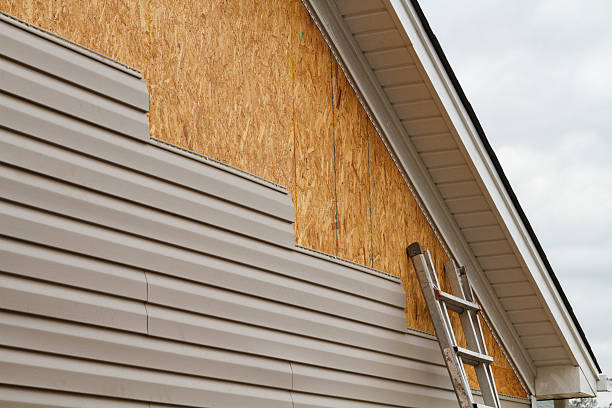
We check sheathing condition on any tear-off before new siding goes up, catching hidden rot before it's covered over.
Color and profile samples are shown on-site in real daylight, not a screen swatch.
Retail strips, multi-family buildings, and commercial properties across Washington, DC get the same fastening discipline as a residential job, scaled for the project size.
Certificates of insurance and licensing documentation are provided upfront for property management review.
Noise and dust management get planned around active business hours so daily operations aren't disrupted.
Specialty work gets planned and laid out before the first piece goes up, not adjusted mid-install.
Insulated upgrades add an R-value boost at the wall, which shows up as a steadier indoor temperature and a lighter HVAC load.
Fiber cement crews use vacuum-shrouded saws to control dust, a real jobsite consideration when cutting cement-based material.
Documentation is formatted to match standard adjuster line items, which speeds up your claim.
Full storm-damage re-sides are common when cracking is scattered across multiple elevations.
Temporary tarping and weatherproofing goes on the same day for any exposed sheathing, ahead of the permanent fix.
Calibrated moisture meters check suspect areas for trapped water that a visual inspection alone would miss.
Thermal imaging can reveal insulation gaps and moisture patterns that a visual check alone would miss entirely.
We flag urgency levels so you know what needs attention now versus what can wait.
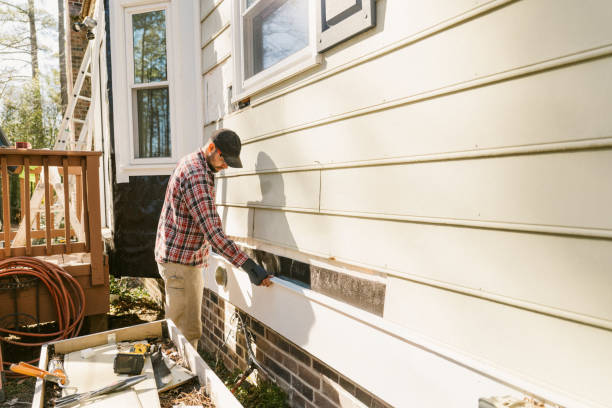
Dispatch confirms your address and rough scope before the visit, so it's productive from the start.
We arrive with a tablet, tape measure, and material samples so the visit is productive.
We'll flag any sheathing repair that looks likely based on what's visible, so the estimate isn't a surprise later.
Work proceeds to manufacturer spec, with a walkthrough and warranty registration once it's done.
None of this is complicated, but it's surprisingly rare in this trade: answer the phone, show up when we say we will, and put the price in writing.

Your estimate lists materials and labor separately, so you see exactly what you're paying for before any panel comes off the truck.
Dispatch confirms a real arrival window on the call, not a vague callback promise.
Every crew carries active liability coverage and works under a current contractor license recognized across Washington, DC.
We're certified installers for major material lines, which keeps your product warranty valid instead of voided by a bad install.

If a workmanship issue shows up after the job closes — a gap, a loose panel, a caulking line that fails early — we come back and fix it at no charge during the warranty period.
If you're ever unsure whether something is covered, ask, we'd rather explain it plainly than have you guess.

Emergency crew had a tarp up within hours after a branch put a hole in our wall, exactly when we needed it.
Quote was itemized down to the trim and starter strip, no vague "materials" line item like the last contractor gave us.
Commercial re-side on our strip mall was phased so tenants stayed open the whole time, appreciated the coordination.
Financing option they walked us through made a full re-side possible this year instead of waiting.
Same-day repair on a storm-loosened panel before the next round of rain hit.
Pre-listing inspection gave us a punch list to handle before buyers ever walked through, sold faster because of it.
Board and batten accent on our gables came out better than the mockup they showed us during the estimate.
Called about a cracked corner post that had been bugging us for a year and it took twenty minutes to fix once the tech got here.
One call gets you a technician, a written estimate, and a realistic timeline.
Call +1-844-782-0929Our Washington coverage area extends into nearby Washington, DC communities, if you're unsure whether your address is covered, a quick call confirms it.
Every zip code listed below gets the same estimate process, materials, and workmanship warranty, coverage area doesn't mean a lesser standard.
If you're near the edge of the coverage area listed below, call anyway, we often extend service for larger projects.