Installed with corrosion-resistant fasteners and proper edge sealing, fiber cement holds up to hail, pests, and rot better than most alternatives.
Our saws use vacuum shrouds to control silica dust, a real jobsite hazard when cutting fiber cement dry.
Crews are certified on HardieZone requirements and manufacturer-approved fastening patterns, not general siding methods.
Certification gets renewed on a regular cycle, and we can show proof of current standing on request.
Fiber cement is heavier and requires precise handling — our crews are trained specifically for this material.
We carry the liability coverage appropriate for heavier-material installation work.
Cracked or impact-damaged fiber cement panels get prioritized quickly, especially after hail events.
New installation estimates are typically scheduled within the same week.
Fiber cement costs more upfront than vinyl, and your estimate reflects material and labor separately so the trade-off is clear.
Repairs are priced by scope, not bundled into a bigger sales pitch.
Fiber cement's durability depends heavily on correct cutting, fastening, and edge sealing during install.

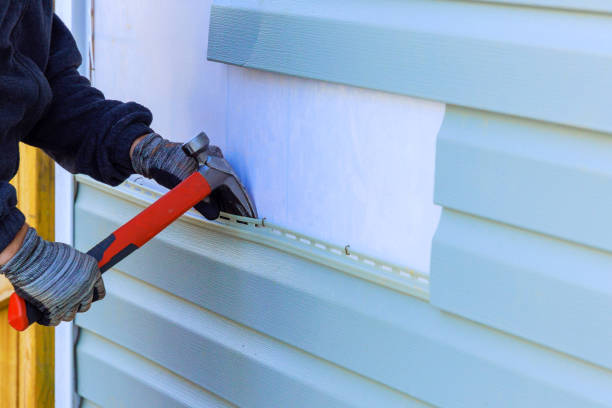
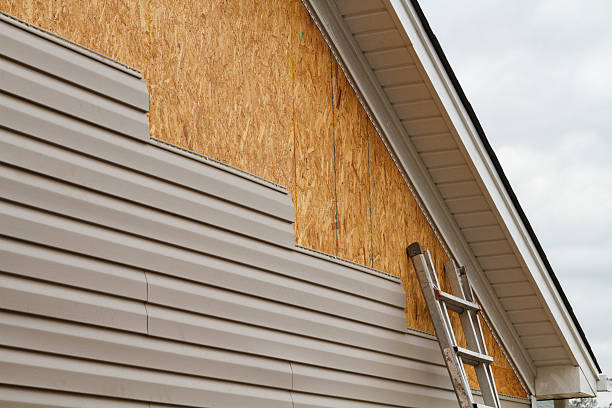
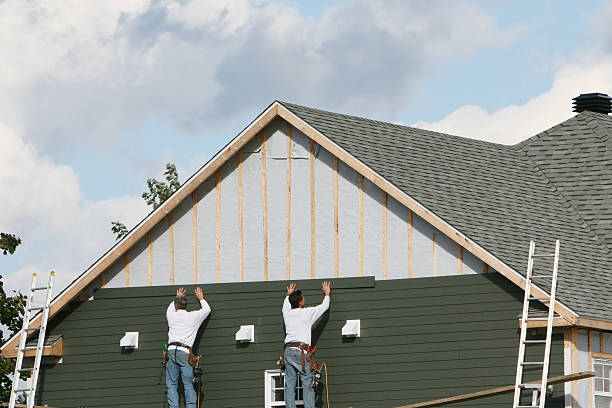
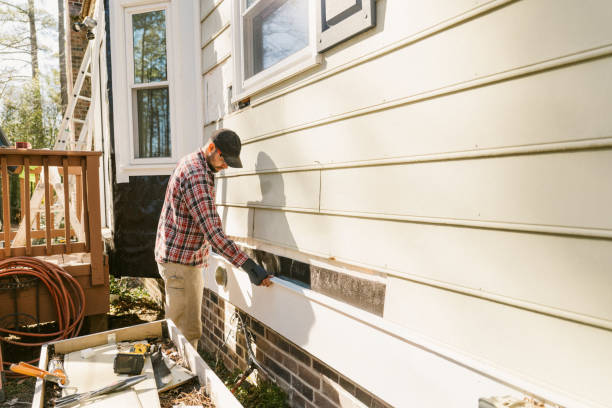
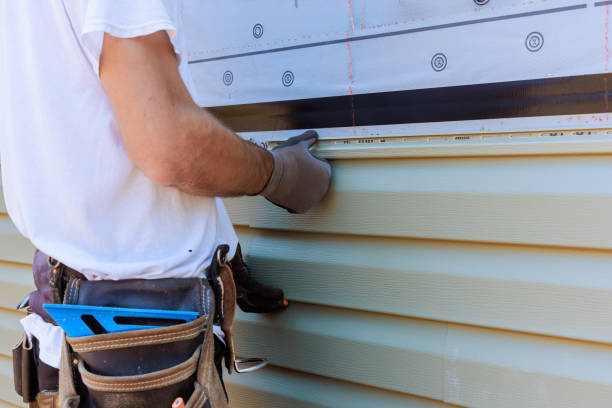
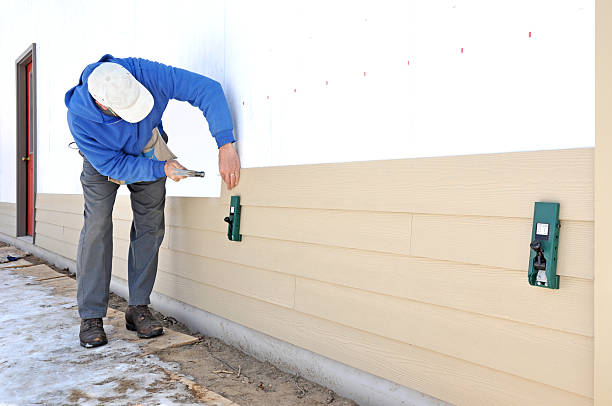
Lap siding installed with manufacturer-approved fastener spacing and factory-primed edge touch-up at every cut. Blade selection matters more than most people expect — a standard wood-cutting blade dulls fast and chips factory edges.
Cracked or impact-damaged panels get replaced individually, color-matched when the product line is still available. Caulking at the seam uses a paintable, flexible formulation rated for the material's slight seasonal movement.
Trim boards get installed with the same fastening discipline as field panels, with primed edges sealed at every cut. Any cut edge gets a coat of touch-up primer before caulking, which the factory edge already has but a field cut doesn't.
Fiber cement's paintable surface allows a full color change without replacing panels, when the surface is still sound. We test moisture content in the panel before painting, since trapped moisture under fresh paint causes peeling within a year.
After hail or storm events, we inspect for hairline cracking that isn't always visible from the ground. A simple tap test alongside visual inspection can reveal cracking that hasn't fully separated yet.
Flashing details around windows and doors get upgraded to current best practice where needed. Head and sill flashing get checked together, since a fix at one without the other rarely holds.

We'll ask about panel age and any visible cracking to gauge scope before scheduling.
A certified estimator or technician arrives to inspect panels, fasteners, and edge sealing.
Insurance-relevant damage gets documented with photos as part of the assessment.
Workmanship on fiber cement work is guaranteed the same as any material we install.

Hail damage assessment found cracking we couldn't see ourselves, which helped the insurance claim go smoother.
Repair crew color-matched a cracked panel so well we can't find it now.
Trim work around every window is sealed properly, no gaps like our old siding had.
Found and fixed incorrect fasteners from our home's original install before they caused bigger problems.
Call now for a free estimate on fiber cement installation, repair, or a color refresh.
Call +1-844-782-0929Certified crews are dispatched locally — call to confirm coverage at your address.